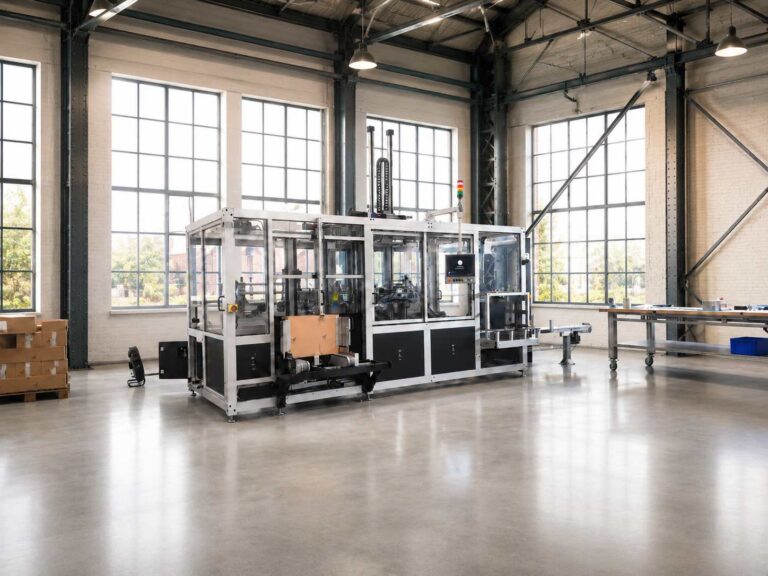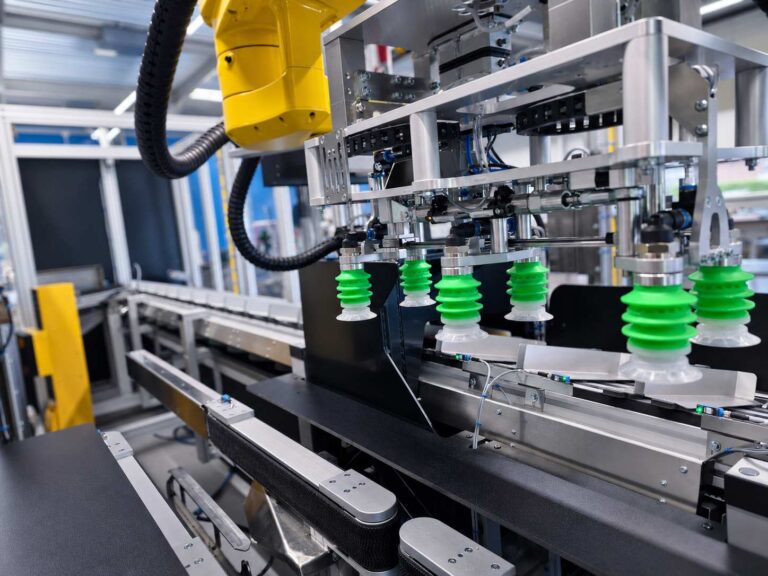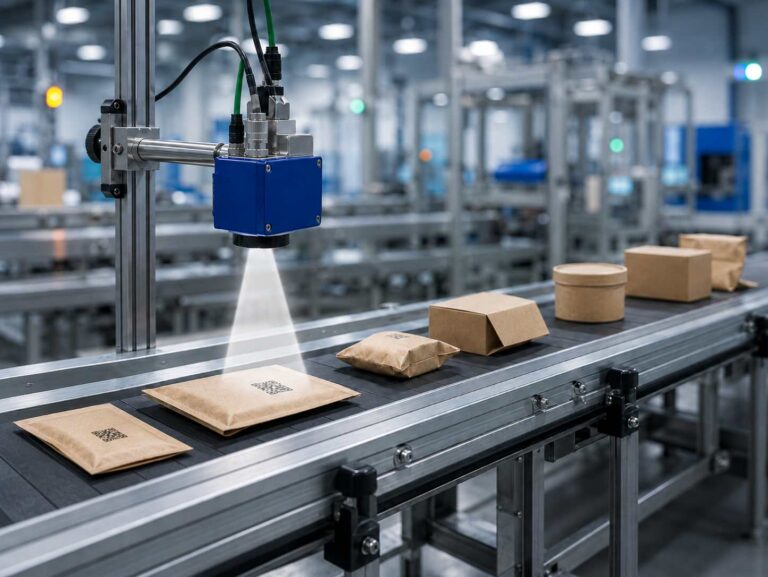

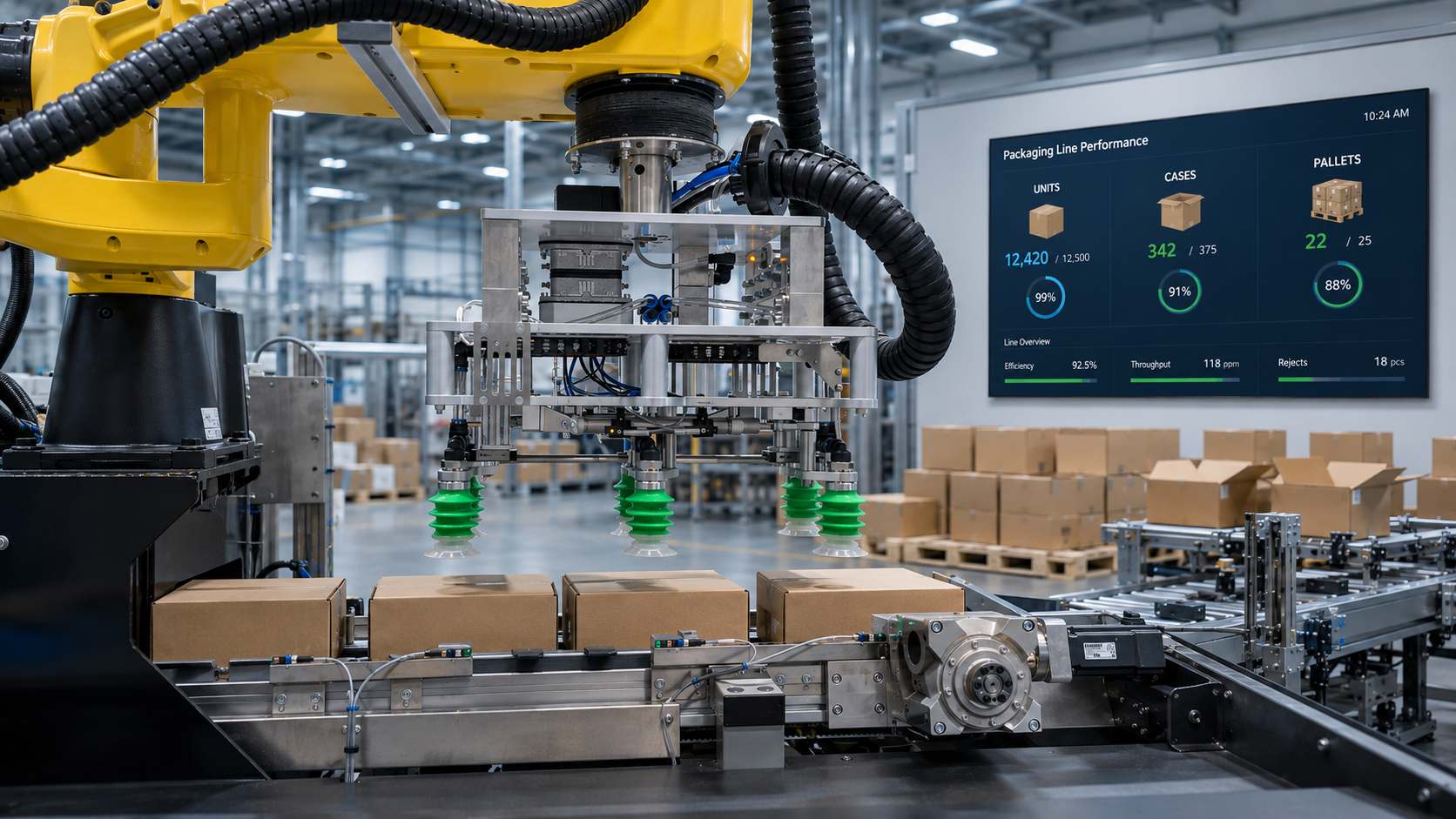
Traceability used to focus mainly on the individual product. A code was applied, scanned and stored to identify a single unit. But in modern packaging and supply chain environments, that is no longer enough. Manufacturers need to know how individual products are connected to cartons, cases, pallets and the data behind every packaging level.
This is where unit-to-pallet traceability becomes essential.
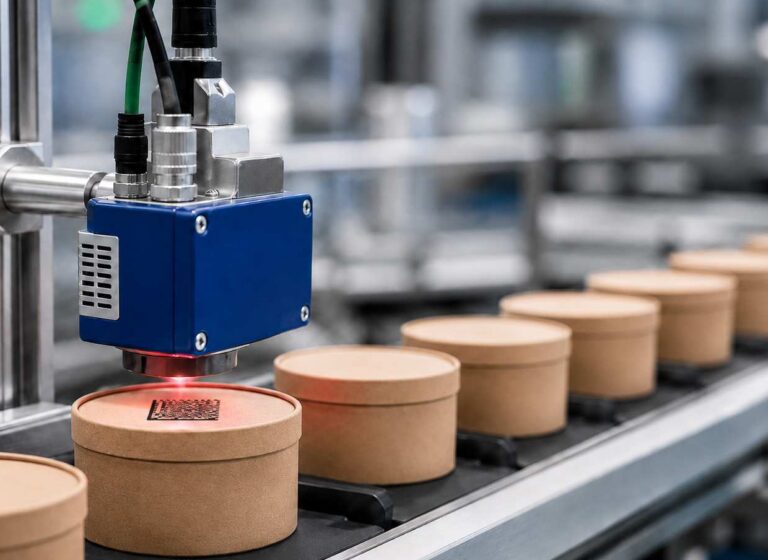
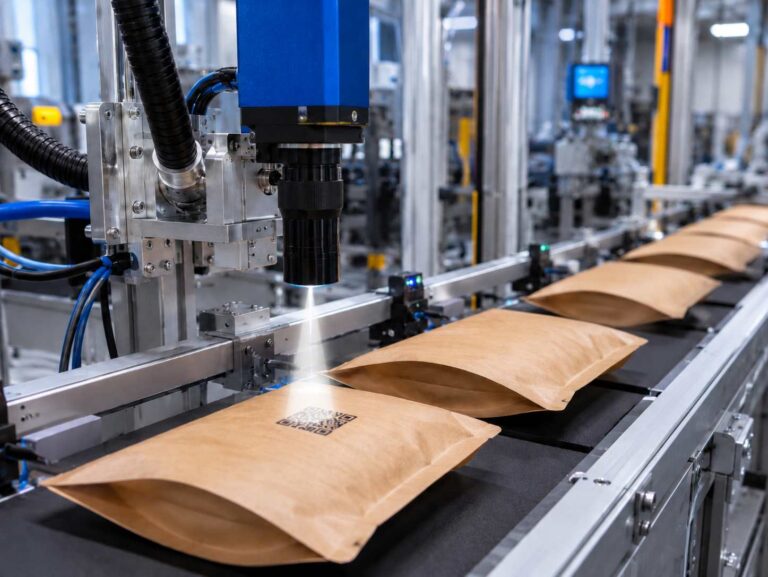
In a controlled Track & Trace process, every product receives a unique digital identity. But the real value starts when that identity is connected to the next packaging level. Individual units are linked to cartons. Cartons are linked to cases. Cases are linked to pallets. These connections are known as parent-child relationships, and they form the foundation of reliable aggregation.
Without reliable aggregation, traceability data quickly becomes incomplete. A product may have a unique code, but if it is not correctly connected to the case or pallet it belongs to, recalls, audits and supply chain reporting become more difficult. This can create uncertainty, extra manual checks and a higher risk of errors.
DJURA helps manufacturers create reliable traceability from unit to pallet. By connecting serialization, vision inspection, aggregation and data management, DJURA makes it possible to verify products, record packaging relationships and manage traceability data in one controlled flow. Learn more about the DJURA Track & Trace platform and how it supports serialization, aggregation and data management for controlled packaging lines.
This creates more control across the packaging line. Operators can reduce manual scanning, detect incorrect or unreadable codes earlier and rely on structured data for cartons, cases and pallets. At the same time, companies gain stronger visibility for warehouse processes, audits, recalls, reporting and compliance.
For industries such as pharma, tobacco, FMCG and food, unit-to-pallet traceability is becoming increasingly important. Regulations, customer requirements and supply chain expectations are moving toward more transparency and more reliable product data. Manufacturers need to prove not only that a product exists, but also how it moved through every packaging level. Reliable aggregation also depends on better product data, which is becoming increasingly important across global supply chains.
With DJURA, aggregation becomes more than a technical step in the packaging process. It becomes a reliable connection between the physical product flow and the digital data needed for future-ready Track & Trace.
From unit to pallet, every connection matters.