
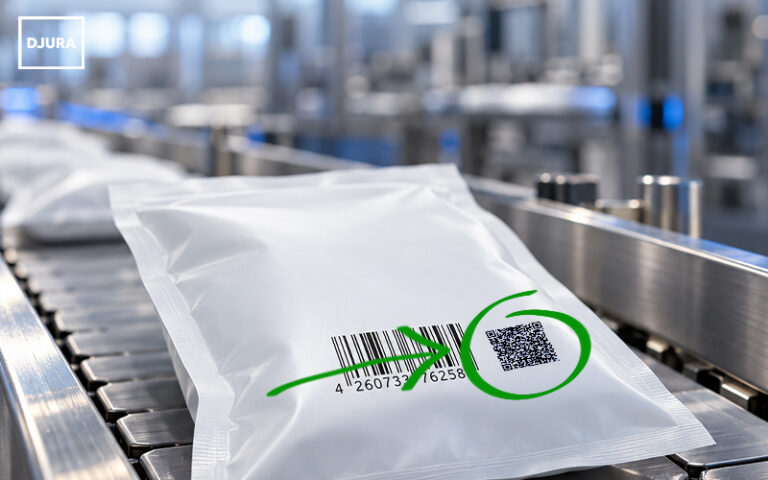
Regulations explained

Understand EU tobacco traceability requirements and potential regulatory changes. Discover how serialization, code verification and aggregation support compliant production.
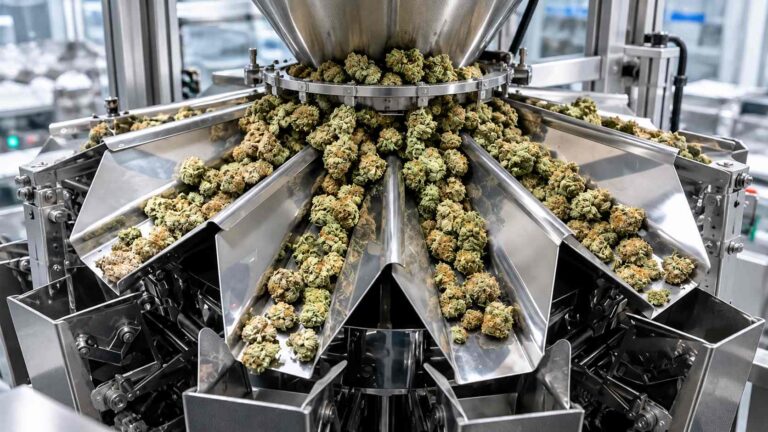
Cannabis packaging and traceability rules vary by country. Learn how automated coding, inspection and product identification help manufacturers address market-specific requirements.
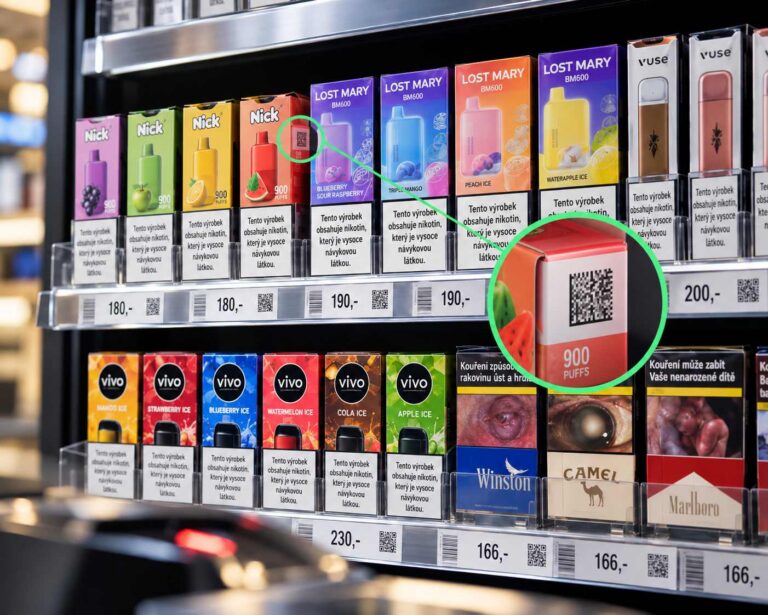
Digital Product Passports are changing how product information may be shared across supply chains. Explore the role of product identification, data management and traceability.

Overview of TPD/TPD3

A printed code is only valuable when it is readable, verified and connected to the right product data. DJURA brings serialization, vision inspection, aggregation and data management together in one controlled Track & Trace flow.

Cannabis regulations

Every packaging line is different. DJURA is configured around your product, packaging format, line speed, required code type and data connections.

Digital product passports

A printed code is only valuable when it is readable, verified and connected to the right product data. DJURA brings serialization, vision inspection, aggregation and data management together in one controlled Track & Trace flow.

REGULATORY COMPLIANCE & TRACEABILITY

How does DJURA support packaging traceability requirements?

Physical line control

Automated code application, vision inspection, serialization, reject handling and aggregation to support accurate product identification and controlled packaging operations.

Traceability data control

Product identifiers, packaging relationships, production records, audit trails and data integration for reliable traceability and reporting.

Changing packaging and traceability regulations can require manufacturers to adapt both their production equipment and data systems. DJURA integrates serialization, code verification, aggregation and traceability data management into controlled packaging processes.

From existing machinery upgrades to complete production lines, each solution is engineered around product formats, production speeds and applicable requirements. This helps manufacturers reduce manual checks, improve data reliability and prepare for future regulatory developments.

View all questions
Frequently asked questions

The EU Tobacco Products Directive requires tobacco products to carry unique identifiers and supports the tracking of product movements throughout the supply chain. Traceability requirements became applicable to cigarettes and roll-your-own tobacco on 20 May 2019 and to other tobacco products on 20 May 2024.

TPD3 is an informal term for a potential revision of the EU Tobacco Products Directive. Tobacco-free nicotine pouches are not covered by the current Directive’s traceability system, although national regulations may apply. Manufacturers should monitor regulatory developments and consider flexible packaging and identification technology.

Cannabis packaging requirements vary by country and product category. Medical and recreational cannabis may be subject to different rules for labeling, product identification, security and traceability. DJURA develops coding, inspection and serialization solutions that can be configured to support applicable market-specific requirements.

No. GS1 Sunrise 2027 aims to enable retail checkout systems to read 2D barcodes, such as GS1 DataMatrix and QR codes with GS1 Digital Link. Traditional EAN/UPC barcodes can continue to be used. Manufacturers can prepare by evaluating coding equipment, scanners and data integration.

A Digital Product Passport (DPP) provides structured digital information about a product. Under the EU Ecodesign for Sustainable Products Regulation, requirements will be introduced progressively for selected product categories. There is no universal DPP deadline; obligations depend on product-specific legislation.

Yes. Depending on the equipment and production process, DJURA can integrate serialization, code verification, vision inspection, aggregation and data management into existing packaging lines. This allows manufacturers to adapt product identification and reporting capabilities without necessarily replacing the entire production line.