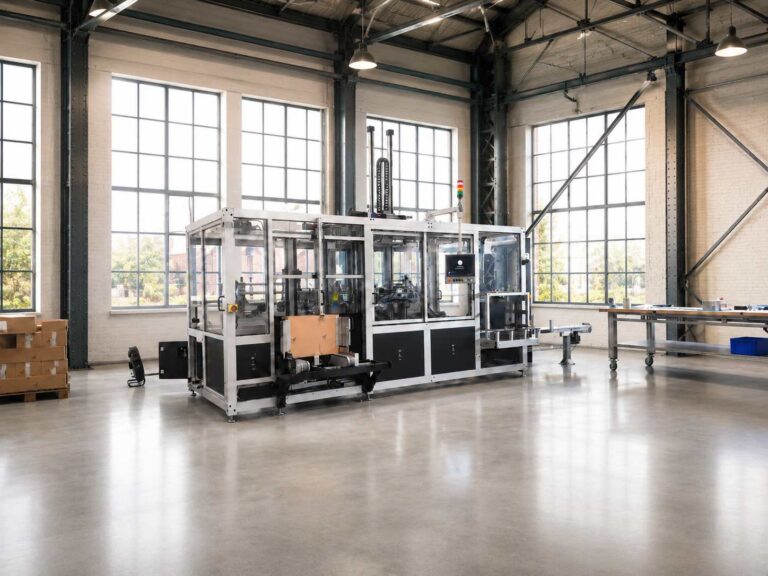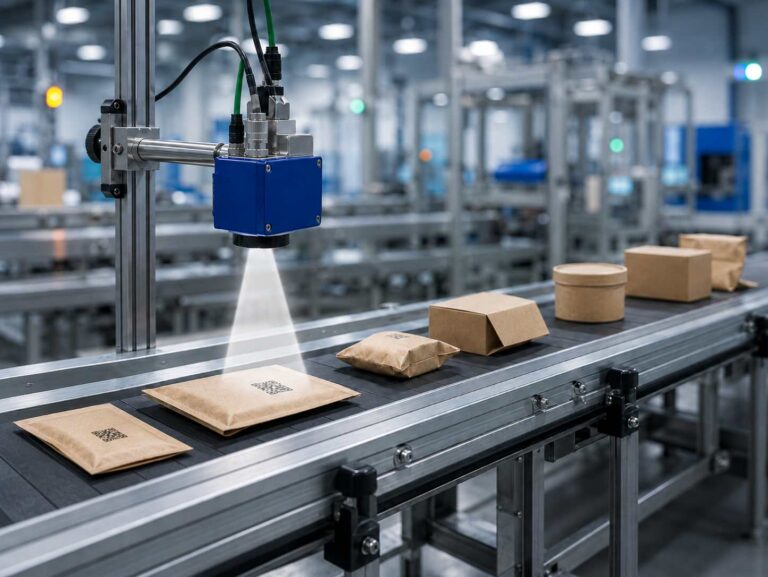

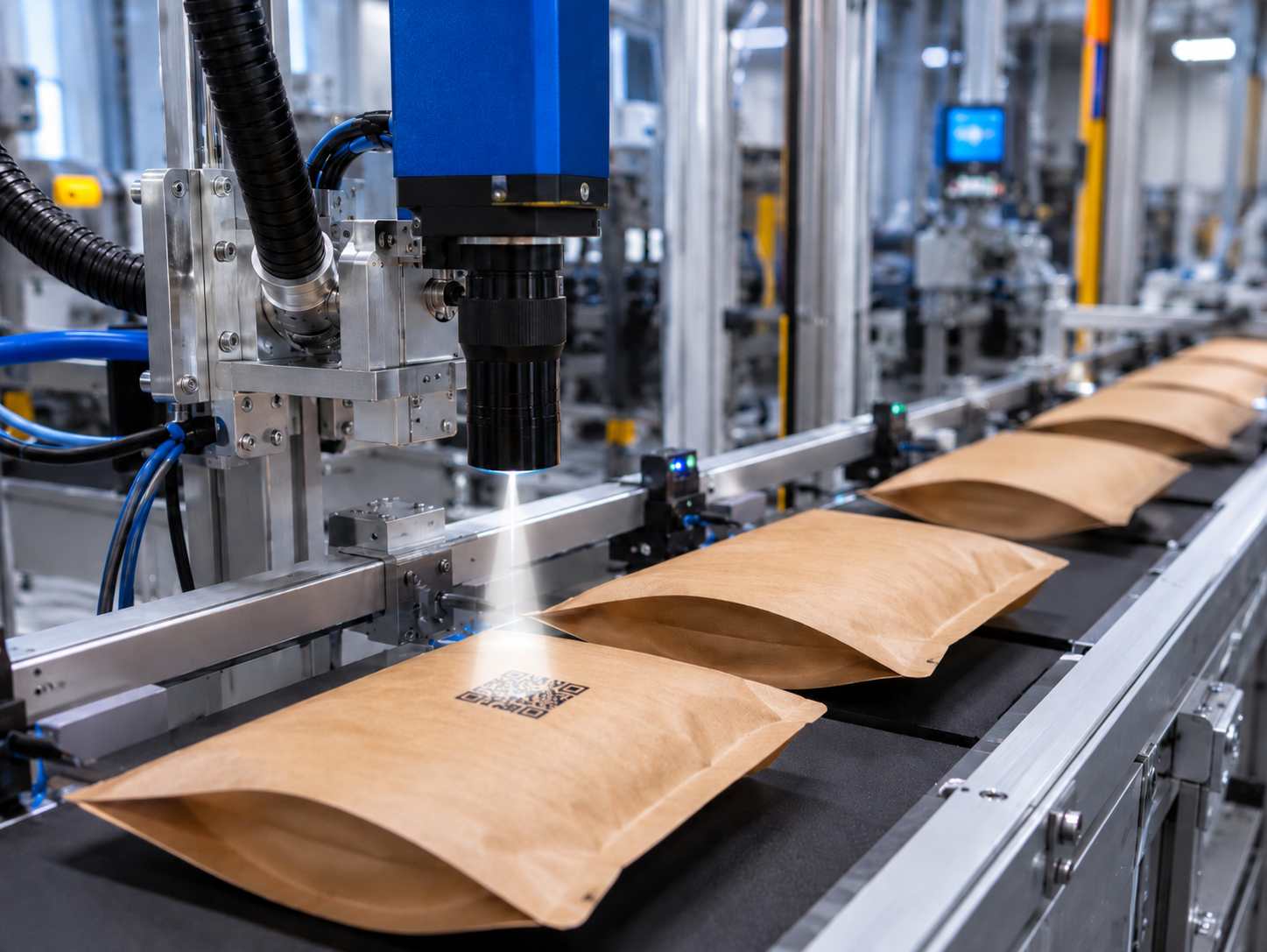
For years, a code on a package was mainly used to identify a product. But that role is changing quickly. In the coming years, packaging codes will need to do more than support scanning, logistics or basic traceability. They will become the connection between the physical product and the digital information behind it.
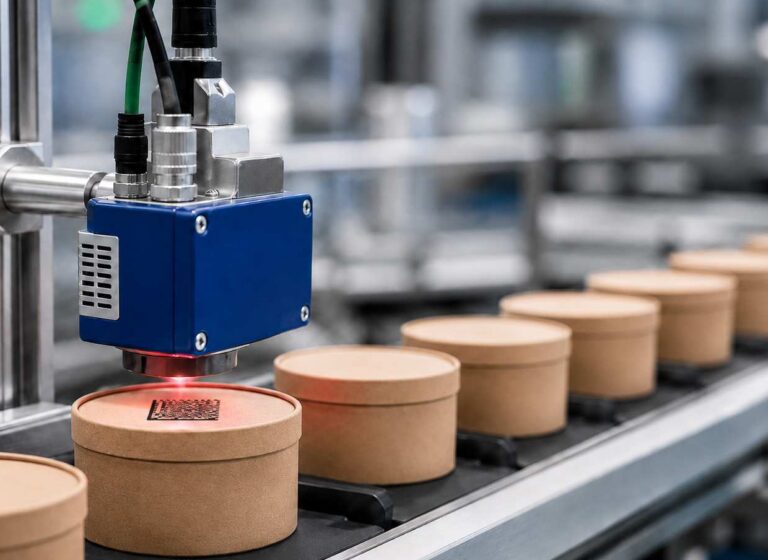
This shift is already visible in several markets. The move toward 2D barcodes, DataMatrix codes and QR-based product identities creates new opportunities for manufacturers to connect products with batch data, origin information, compliance records, quality checks and supply chain events. At the same time, upcoming developments such as Digital Product Passports show that product data will become increasingly important for transparency, circularity and regulatory reporting.
For manufacturers, this means that Track & Trace can no longer be seen as a separate coding step at the end of the line. It needs to be part of a controlled data flow. Every product code, inspection result, aggregation event and packaging level must be connected to reliable information.
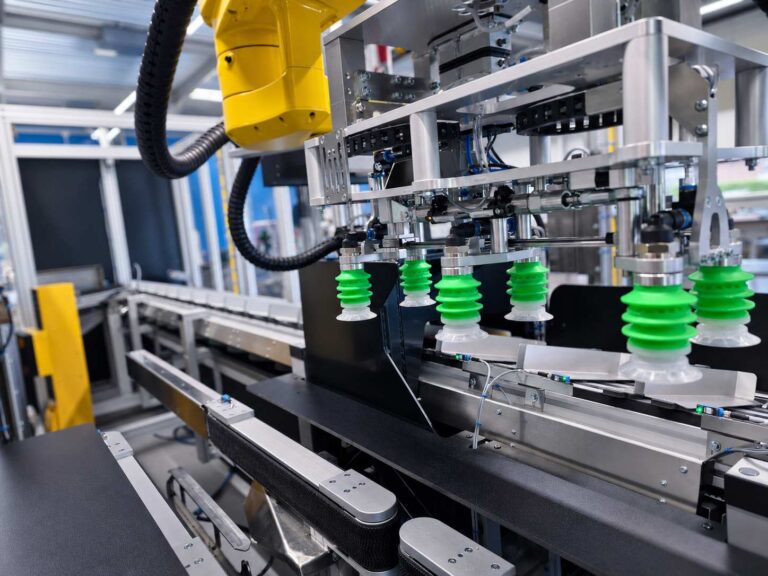
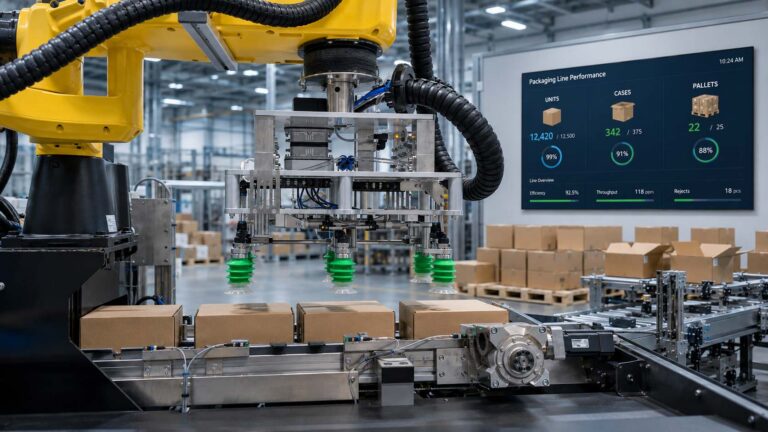
DJURA helps manufacturers prepare for this future. By connecting serialization, vision inspection, aggregation and data management, DJURA turns packaging codes into useful Track & Trace data. From individual products to cartons, cases and pallets, each step can be verified, recorded and made available for audits, recalls, reporting and supply chain visibility.
The coming years will not only be about printing the right code. They will be about proving that the right product, with the right data, moved through the right process.
With DJURA, manufacturers build a stronger foundation for future-ready traceability — from product code to supply chain control.
The shift toward future Track & Trace is not only technical. It also changes how manufacturers organize product data across the complete packaging process. A reliable code must be connected to the right batch, packaging level, inspection result and supply chain event. That makes traceability more useful for audits, recalls, quality control and regulatory reporting.
For companies working with pharma, tobacco, FMCG or food packaging, this creates a clear opportunity. By preparing packaging lines for serialization, aggregation, vision inspection and reliable data management, manufacturers can reduce manual checks, improve product visibility and build a stronger foundation for future compliance requirements.
Learn more about the DJURA Track & Trace platform and how it supports serialization, aggregation and data management.
The move toward 2D codes is also visible in global retail standards, where GS1 is preparing the industry for broader use of 2D barcodes.