
Manual scanning has played an important role in packaging and logistics for years. Operators scan products, cartons, cases or pallets to confirm movement, check codes or create traceability records. For many companies, this still works, until line speeds increase, compliance requirements become stricter or the number of packaging levels grows.
That is where manual scanning starts to show its limits.
Every manual scan depends on timing, focus and process discipline. A missed scan, unreadable code or incorrect product link can create unreliable data further down the chain. In regulated and high-volume environments, that risk becomes more than an operational inconvenience. It can affect audits, recalls, reporting, compliance and supply chain visibility.
Modern Track & Trace requires a more controlled approach. Instead of relying on manual checks at separate moments in the process, manufacturers need traceability data that is created automatically during production and packaging. Codes need to be applied, verified, recorded and connected to the right product, batch and packaging level.
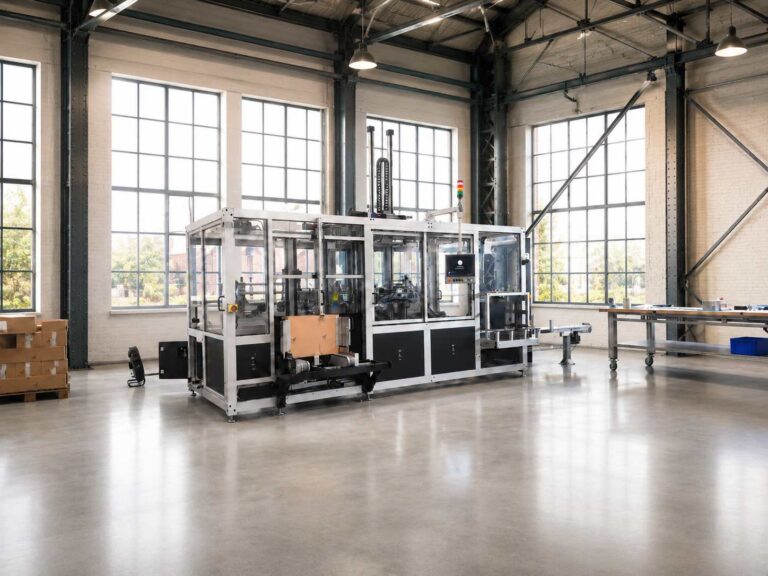
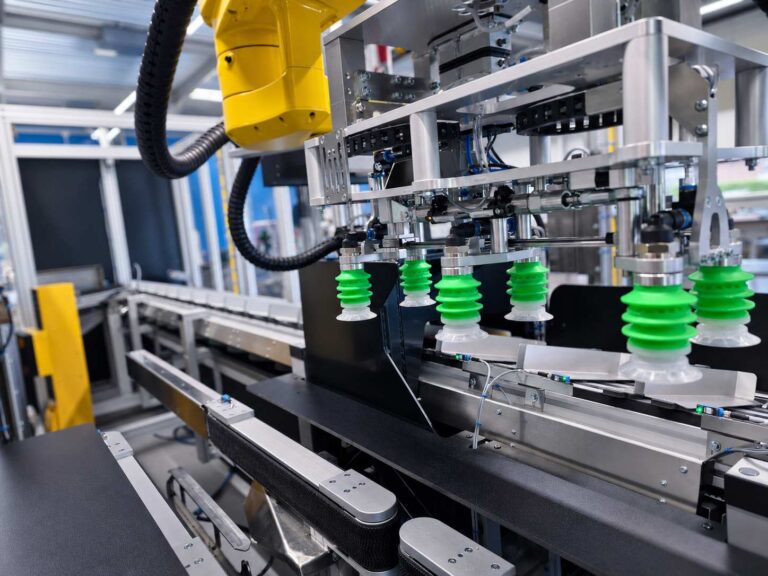
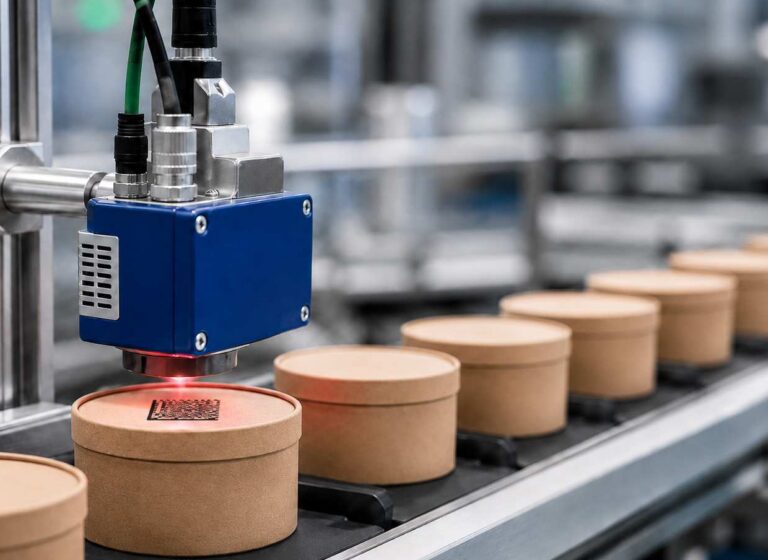
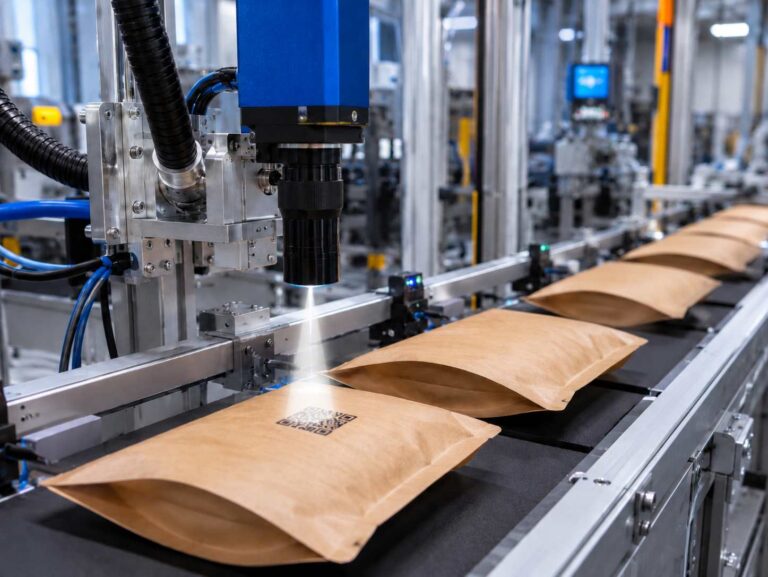
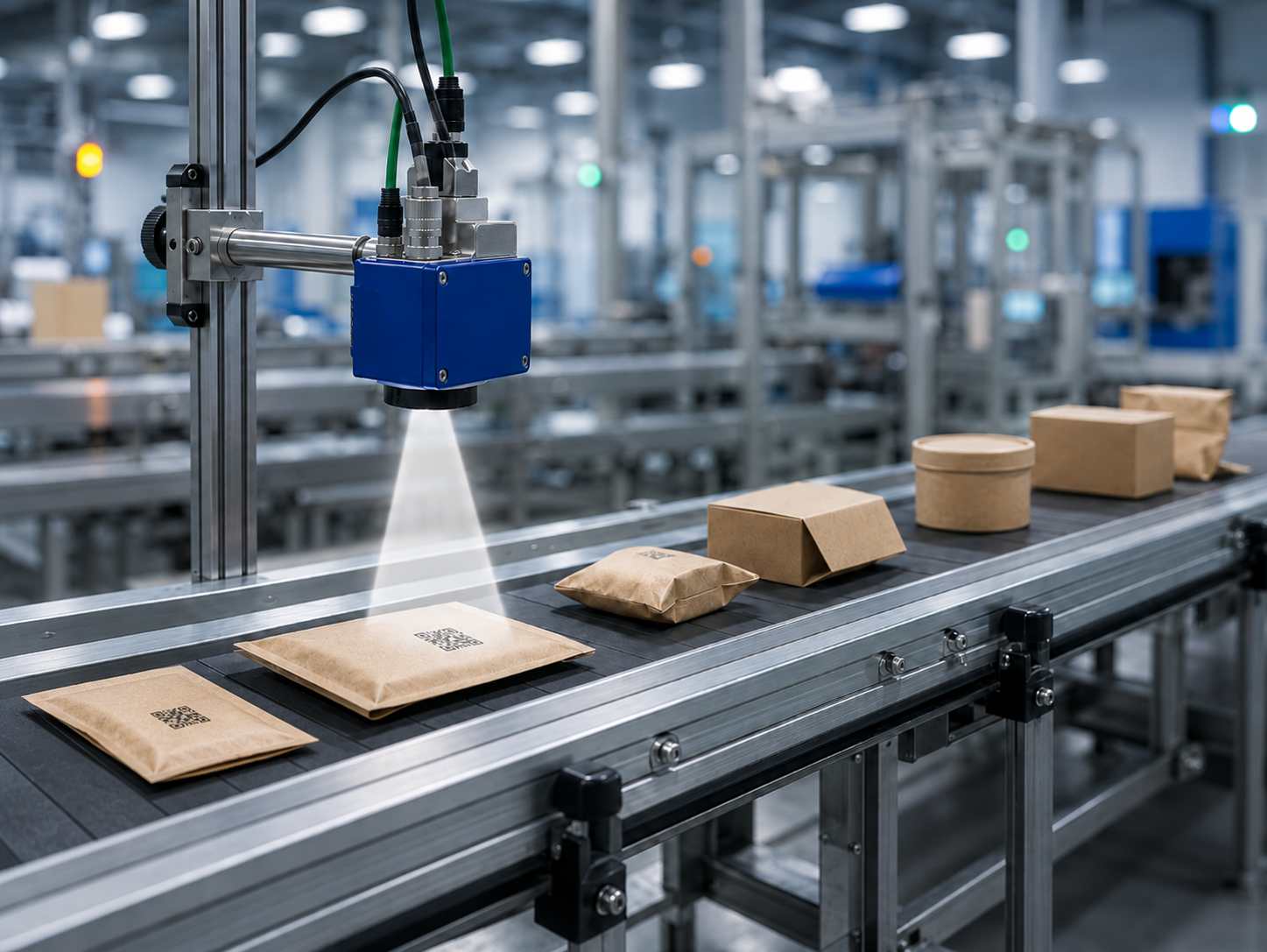
DJURA helps manufacturers move from manual scanning to automated traceability. By connecting serialization, vision inspection, aggregation and data management, DJURA creates a controlled Track & Trace flow across the packaging line. Every product code can be verified directly on the line. Every carton, case or pallet can be linked through reliable parent-child relationships. Every relevant event can become part of structured traceability data.
The shift toward automated traceability is also supported by broader industry developments, such as the move toward 2D codes and more connected product data. This reduces the need for manual checks and helps operators work with more confidence. Incorrect or unreadable codes can be detected earlier. Aggregation steps can be recorded more reliably. Product data becomes easier to use for audits, recalls, reporting and future compliance requirements.
For industries such as pharma, tobacco, FMCG and food, this shift is becoming increasingly important. Traceability is no longer just about scanning a product. It is about proving that the right product, with the right code and the right data, moved through the right process.
Automated traceability gives manufacturers more control over their packaging lines, from unit to pallet.